
You don’t plan to come back. No one does.
But then there’s that one moment. Maybe it’s 2 a.m., and your heart’s pounding after a use you swore would be your last. Maybe it’s sitting in your car outside your job, realizing you can’t fake being “okay” one more day. Or maybe it’s not dramatic at all—just a quiet knowing that whatever’s happening now isn’t working.
And suddenly, you’re looking at that number again.
If that’s where you are, hear this: coming back to opiate addiction treatment isn’t a failure. It’s one of the bravest things you’ll ever do.
Nobody Talks About the Aftermath of “Doing Well”
You hit 90 days. Maybe more. People clapped for you. You felt stronger than you had in a long time.
But underneath it all, recovery wasn’t done. It was still a daily negotiation—a quiet battle between what you wanted and what you feared. And maybe one day, something slipped. A craving got too loud. Life got too sharp.
And the truth is: relapse happens more often than people admit.
It doesn’t mean your progress was fake. It doesn’t mean you weren’t strong. It just means you’re human—and addiction is a chronic, complex condition that doesn’t vanish the moment you graduate from treatment.
You Don’t Walk In the Same Person You Were
Coming back to treatment after a relapse can feel like re-entering a room you already cleaned—just to find the mess back again.
But you’re not back at square one. You’re walking in with knowledge. With context. With self-awareness that can only come from falling and still wanting to rise.
This isn’t your first rodeo—and that’s not a bad thing. It means you get to skip past the part where everything feels foreign. You already know recovery is possible. That makes you dangerous to the part of you that thinks giving up is easier.
The Guilt Is Real—and It Can Eat You Alive If You Let It
Relapsing after treatment is like breaking a promise to yourself in front of a mirror.
You remember every hug from group. Every “I’m proud of you” from family. Every moment you meant it when you said you’d stay clean. And then the slip happens—and it feels like you threw all of that away.
But let me say this as clearly as I can: You didn’t ruin everything.
That feeling of failure? It’s loud—but it’s not true. Guilt only helps if it points you back toward your values. Shame will try to keep you stuck. Don’t listen to shame. It doesn’t know the full story.
This Time Might Be Different—Because You’re Different
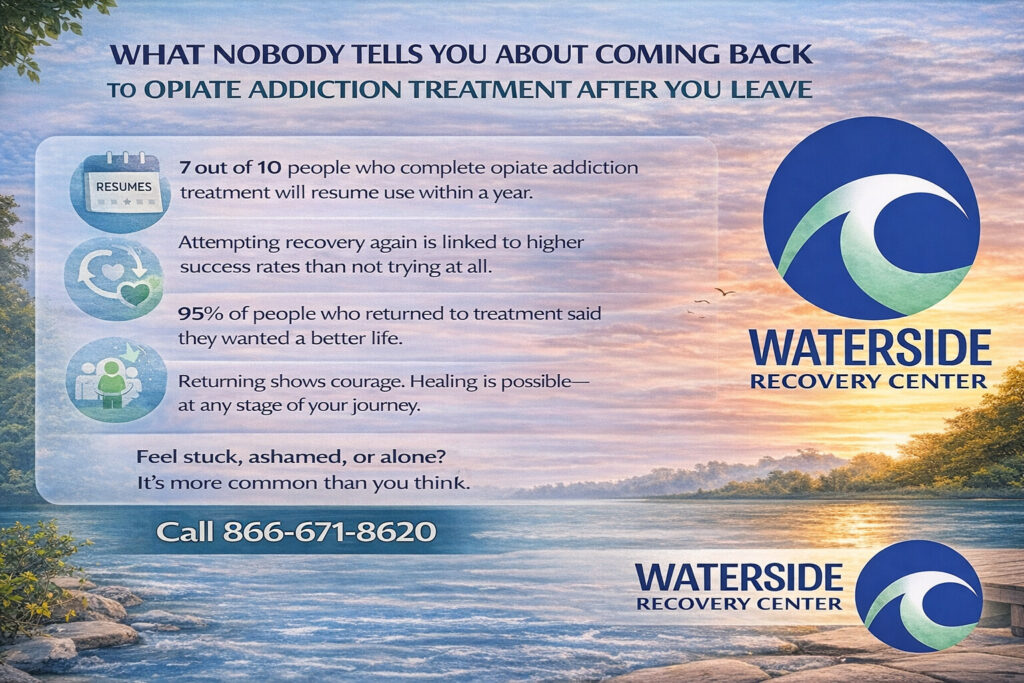
Recovery the second (or third, or seventh) time around often goes deeper.
Why? Because now you know how slippery things can get. You’re not idealizing sobriety—you’re aware of its cracks, its challenges, its beauty and its boredom. And that kind of honesty is a powerful foundation.
You might do treatment differently this time. Maybe you ask for more support. Maybe you’re ready to try medication-assisted treatment. Maybe you finally talk about the trauma you dodged last time.
Whatever it is, this round can be more real—and that’s what often sticks.
People Might Not Know What to Say—But the Right Ones Will Stay
Worried about facing friends or family who “believed in you”?
Yeah. That part sucks.
Some people might be awkward. Some might say the wrong thing. Some might not say anything at all. But the people who get it—the ones who’ve either been there or love you unconditionally—they’ll still be there.
You don’t owe the world a polished version of your story. You owe yourself honesty and support. The rest? Let it sort itself out.
What to Expect When You Re-Enter Opiate Addiction Treatment
You might be wondering if it’s going to feel weird—walking back into the same center, or calling again after ghosting.
It might. But here’s what a good center will do: welcome you without punishment. Ask what you need now—not what went wrong then. Offer real support, not shame-drenched lectures.
At Waterside Recovery, we’re here to help you figure out your next step, not drag you back through your past.
If you’re in Massachusetts—whether in Worcester, Framingham, or the larger Metrowest region—our care in areas we serve is designed to meet you where you are, not where we wish you’d be.
You’re Still Allowed to Want a Life
Relapse can whisper lies like, “You had your chance.” Or worse, “This is just who you are now.”
Don’t believe it.
You’re still allowed to want peace. Connection. A job you don’t have to fake your way through. A day where you don’t have to white-knuckle your way to bedtime.
Recovery isn’t a performance. It’s a process. And if you’re ready to try again—whether you’re 30 days out or haven’t felt okay in a year—that matters more than whatever you think you messed up.
Frequently Asked Questions: Coming Back to Opiate Treatment After Relapse
Is relapse normal after opiate addiction treatment?
Yes. While not ideal, relapse is a common part of the recovery journey for many people with opioid use disorder. It doesn’t mean treatment failed—it means treatment may need to be adjusted.
Will I be judged for coming back?
A good treatment center won’t judge you—they’ll support you. At Waterside Recovery, we welcome alumni back with respect and open arms. We understand relapse can happen, and we believe everyone deserves continued care.
Do I have to start over completely?
Not necessarily. Depending on your needs, you might continue with outpatient support, explore medication-assisted treatment, or revisit trauma therapy. The key is to tailor your plan to who you are now, not who you were.
How do I explain my relapse to others?
You don’t owe anyone a detailed explanation unless you want to give one. If you do choose to share, keep it simple and honest. “I’m getting help again because I need it.” That’s more than enough.
What if I’m embarrassed to ask for help again?
That’s completely understandable. Asking for help again takes courage. It means you still believe in something better. And that’s not embarrassing—it’s brave.
You Deserve a Real Shot—No Matter How Many Times It Takes
Call (866)671-8620 or visit Waterside’s opiate addiction treatment page to learn more about our opiate addiction treatment services in Plymouth, MA. We’re here when you’re ready